
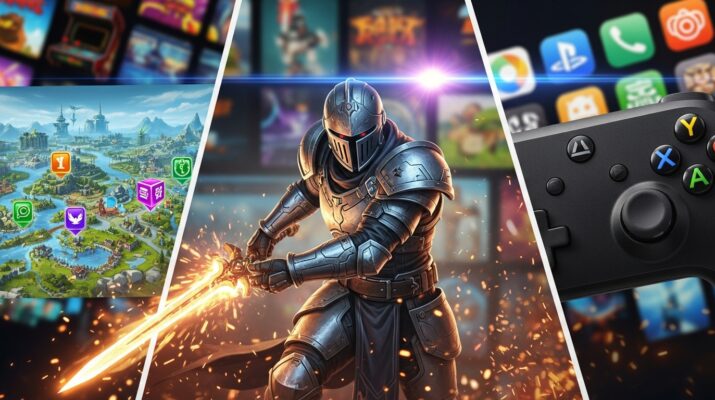
Introduction: The Power of Play in Human Life
Games have always been an essential part of human civilization. From ancient board games carved into stone to modern digital masterpieces played on powerful devices, games have continuously evolved while maintaining their fundamental purpose—to entertain, challenge, and connect people. In today’s world, gaming is more than just a pastime. It is a reflection of human creativity, a booming industry, and a vital part of global culture. Whether physical or digital, games have the unique ability to bring joy, inspire imagination, and unite players across generations.
The Ancient Beginnings of Games
The history of games stretches back thousands of years. Ancient civilizations used games not only for recreation but also for education and social bonding. In ancient Egypt, the game of Senet represented the journey of the soul through the afterlife. In China, Go was invented as a strategy game that taught patience and intelligence. Chess, which originated in India, became a symbol of mental skill and strategy across the world. These early forms of games demonstrate how humans have always sought structured forms of play to challenge the mind and strengthen community ties.
The Transition to Modern Gaming
As society evolved, so did games. The industrial revolution brought new materials, allowing for the creation of modern board games such as Monopoly and Scrabble. These games taught not only competition but also business strategy and wordplay. Families gathered around tables to play together, strengthening relationships and learning valuable life lessons through fun and interaction. Games became an important form of social entertainment, offering both challenge and relaxation in equal measure.
The Birth of Electronic Games
The 20th century saw a technological revolution that changed how humans played. The invention of electronic games marked a new era. Early experiments like Tennis for Two and Pong showed how technology could create interactive experiences. The 1970s and 1980s became known as the golden age of arcade gaming. Machines like Pac-Man, Space Invaders, and Donkey Kong captivated millions. The flashing lights, catchy sounds, and competitive high scores turned arcades into social gathering spots. These early digital games were simple, but they laid the groundwork for a massive entertainment industry that continues to grow today.
The Rise of Home Gaming Consoles
As technology advanced, gaming moved from public arcades to private homes. The introduction of consoles like the Atari 2600, Nintendo Entertainment System, and Sega Genesis transformed family entertainment. Players could now explore exciting adventures from the comfort of their living rooms. Iconic characters such as Mario, Sonic, and Link became household names, representing creativity and fun. The ability to save progress, explore new worlds, and play at one’s own pace gave players a deeper emotional connection to gaming. Home consoles turned gaming into a shared family experience and sparked the growth of a global fan community.
The Evolution of Game Design and Graphics
Early games focused on simple mechanics and pixelated visuals, but with rapid technological progress, developers began to explore more complex designs and stories. The introduction of 3D graphics in the 1990s changed everything. Players could now move freely within expansive virtual environments. Games like Super Mario 64, Tomb Raider, and Final Fantasy VII showed how storytelling, music, and art could blend into unforgettable adventures. Realistic graphics, emotional narratives, and cinematic soundtracks turned gaming into a respected art form. What was once considered mere entertainment became a medium of creativity and emotional expression.
The Emergence of PC Gaming and Online Worlds
While consoles dominated the home market, personal computers opened new opportunities for gamers. PC gaming allowed more flexibility, better graphics, and user-created content. Strategy games like Age of Empires and simulation titles like The Sims became global favorites. The rise of the internet introduced online multiplayer experiences, changing the very nature of play. Players could now connect, compete, and collaborate with others from around the world. Games like Counter-Strike, World of Warcraft, and later Fortnite built vast virtual communities where millions shared experiences in real time. Online gaming blurred the line between entertainment and social interaction, creating friendships that transcended geographical boundaries.
Mobile Gaming: Entertainment at Your Fingertips
The rise of smartphones brought gaming into everyone’s hands. Mobile games turned waiting rooms, commutes, and short breaks into moments of fun. Titles like Candy Crush, Angry Birds, and Clash of Clans captured audiences of all ages. Mobile gaming’s success lies in its accessibility—anyone with a phone can play. It also democratized game development, giving independent creators the opportunity to reach global audiences. What began as a casual diversion has become one of the most powerful sectors of the gaming industry, appealing to both hardcore and casual players alike.
The Art of Storytelling in Games
As technology matured, games evolved beyond simple mechanics to deliver deep emotional narratives. Modern titles like The Last of Us, Red Dead Redemption, and Journey demonstrate how storytelling in games can rival that of books and movies. Players no longer just watch a story unfold—they participate in it, making choices that affect outcomes. This interactivity gives games a unique storytelling advantage, immersing players in worlds filled with emotion, morality, and consequence. Games have become a reflection of the human experience, offering lessons about courage, loss, friendship, and hope.
Esports: The Rise of Competitive Gaming
Gaming has also transformed into a global competitive sport. Esports brings together professional players, teams, and millions of spectators worldwide. Tournaments for games like League of Legends, Dota 2, and Valorant fill stadiums and attract massive online audiences. Professional gamers train rigorously, strategize like athletes, and earn fame and sponsorships. Esports has turned gaming into a career path and a cultural movement. The excitement of competition, teamwork, and skill draws players and fans alike, proving that gaming can be as thrilling and respected as any traditional sport.
Streaming and Gaming Influencers
Streaming platforms have further revolutionized the gaming world. Players can now broadcast their gameplay live, creating real-time interaction between creators and audiences. Gaming influencers and streamers have built communities centered around entertainment, humor, and education. This new era of digital media has given rise to unique personalities who inspire millions and shape gaming trends. Streaming also allows developers to connect directly with their audiences, receiving instant feedback and support. The relationship between players and creators has never been closer.
Virtual Reality and Augmented Reality: The Next Level of Play
Virtual reality (VR) and augmented reality (AR) are pushing the boundaries of what games can offer. VR immerses players in digital worlds where they can move, look, and interact naturally. AR overlays virtual elements onto real environments, blending reality with imagination. These technologies create experiences that go beyond traditional screens, engaging the senses in entirely new ways. Games like Beat Saber and Pokémon-inspired AR adventures showcase how interactive technology can redefine entertainment. As VR and AR evolve, they promise to make gaming even more personal, immersive, and lifelike.
The Impact of Artificial Intelligence in Games
Artificial intelligence (AI) has become a vital force in modern gaming. AI-driven characters can think, learn, and adapt to player behavior, making each experience unique. Developers use AI to design realistic environments, generate dialogue, and enhance player immersion. AI also helps create more efficient and creative development processes. From smarter enemies to lifelike companions, AI ensures that gaming continues to feel fresh, unpredictable, and engaging. It represents the merging of technology and imagination at its finest.
Games as a Reflection of Culture and Society
Games have become powerful cultural symbols that reflect the values, fears, and hopes of their time. They explore themes like war, survival, justice, and identity. Many games also celebrate diversity, giving players the chance to experience different perspectives. Through storytelling and design, games influence art, fashion, and even education. They teach teamwork, strategic thinking, and empathy. In classrooms, serious games are now used to help students learn complex subjects in an interactive way. The influence of games extends beyond entertainment—they shape how people learn, communicate, and imagine the world.
Challenges and Responsibilities in the Gaming Industry
Despite its success, the gaming world faces ongoing challenges. Issues like addiction, toxic behavior, and microtransactions have raised ethical concerns. Developers and communities are working to create healthier gaming environments that promote positivity and inclusion. Another challenge is maintaining balance between innovation and accessibility. As technology advances, ensuring that gaming remains open to everyone, regardless of background or ability, becomes increasingly important. The future of gaming depends on creativity guided by responsibility and compassion.
The Future of Games: Infinite Possibilities Ahead
Looking ahead, the future of games appears limitless. Cloud gaming will allow players to enjoy high-quality experiences without expensive hardware. Artificial intelligence will make worlds smarter and stories more dynamic. Virtual and augmented reality will blur the boundaries between reality and imagination. Developers will continue to experiment with new genres and interactive experiences that challenge traditional definitions of play. Gaming will not only entertain but also educate, heal, and inspire future generations.
Conclusion: The Enduring Spirit of Play
From ancient stones and wooden boards to digital landscapes and virtual realms, the evolution of games tells the story of human creativity and connection. Games are more than entertainment—they are experiences that teach, challenge, and unite people. They encourage imagination, build communities, and inspire progress. As technology continues to evolve, the essence of gaming remains the same: the joy of discovery, the thrill of challenge, and the shared language of play. The timeless magic of games lies in their ability to remind us that no matter how advanced the world becomes, the spirit of play will always be at the heart of human nature.