
Introduction
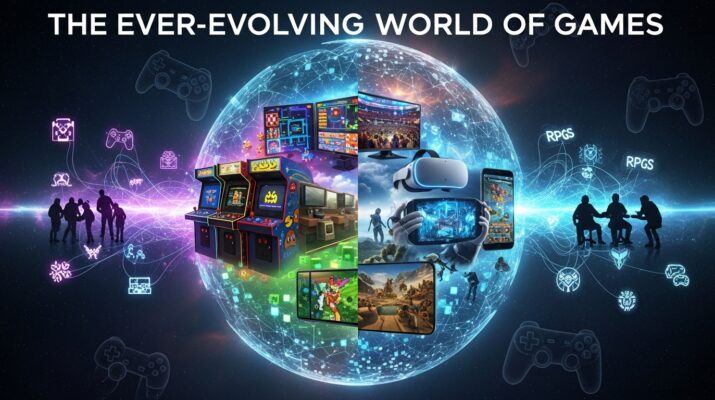
Games have been an integral part of human civilization since the dawn of time. From ancient board games carved in stone to modern digital experiences powered by artificial intelligence, the concept of play has always been deeply woven into human culture. Games serve not only as entertainment but also as a form of learning, communication, and social bonding. They test our intelligence, creativity, and emotions in ways few other activities can. Whether physical or digital, competitive or cooperative, games reflect the spirit of humanity’s constant quest for challenge and enjoyment. In this blog, we will explore the evolution, psychology, cultural significance, and future of games in a world where technology continues to reshape the boundaries of play.
The Ancient Origins of Games
Long before video games, consoles, or smartphones, games existed as simple yet meaningful pastimes. Archaeologists have discovered evidence of gaming activities dating back thousands of years. One of the oldest known games, Senet, was played in ancient Egypt around 3500 BCE. The Royal Game of Ur from Mesopotamia and Mancala from Africa show how deeply embedded gaming was in ancient societies. These games were not only sources of recreation but often carried spiritual or ritualistic meanings. Some were believed to connect players with gods or serve as metaphors for life and death.
As civilizations evolved, so did their games. The Greeks and Romans engaged in athletic competitions that laid the foundation for modern sports. Chess emerged in India around the 6th century, symbolizing strategy and warfare. Games, in their simplest form, mirrored human life—our ambitions, struggles, and creativity.
The Rise of Physical and Outdoor Games
Physical games have always been central to human interaction. Sports such as football, cricket, basketball, and hockey became global phenomena, each embodying the spirit of teamwork and competition. These games foster physical fitness, discipline, and resilience. The Olympic Games, revived in the modern era in 1896, became the epitome of human athletic excellence and unity across nations.
What makes physical games enduring is their universal accessibility. A ball, a stick, or even a makeshift field can create endless possibilities for play. Physical games also teach important life skills—leadership, cooperation, and respect for rules. Whether played on a local street or in a grand stadium, the energy and passion of players remain the same. The joy of scoring a goal, hitting a six, or achieving victory after intense struggle continues to inspire people across generations.
The Birth of Modern Board and Card Games
The evolution of board and card games marked a shift from outdoor play to indoor entertainment. Games like Chess, Go, and Backgammon became symbols of intellect and patience. Later, the invention of playing cards opened new dimensions of creativity and strategy. Families gathered around tables to play Monopoly, Scrabble, or Ludo, creating memories that lasted for years. These games encouraged social interaction, critical thinking, and communication.
Board games also became tools for education and psychological development. They train the mind to think ahead, analyze options, and adapt to changing circumstances. In modern times, board games have seen a resurgence, with new designs and storytelling elements that appeal to both young and adult audiences. Game nights have become a way to disconnect from digital screens and reconnect with human companionship.
The Digital Revolution: Video Games Take Over
The late 20th century brought about a revolutionary change in the world of games. The invention of computers and video consoles transformed gaming into a digital art form. The first generation of video games began with simple yet addictive experiences such as Pong and Space Invaders. These were the seeds that grew into an industry worth billions of dollars today.
Video games rapidly evolved in complexity, storytelling, and design. In the 1980s and 1990s, iconic titles like Super Mario Bros, The Legend of Zelda, and Sonic the Hedgehog became household names. The introduction of 3D graphics in the mid-90s allowed developers to create immersive worlds that transported players into alternate realities. From exploring fantasy realms in role-playing games to competing in intense first-person shooters, video gaming became a form of interactive storytelling unlike any other.
The technological evolution continued with the arrival of online multiplayer gaming. Titles like Counter-Strike, World of Warcraft, and later Fortnite, redefined how people played and interacted. Players could now compete, collaborate, and communicate across continents. Gaming was no longer a solitary hobby—it became a social experience connecting millions.
The Psychological Appeal of Games
What makes games so irresistibly engaging? The answer lies in psychology. Games trigger a combination of challenge, reward, and progress that appeals to our brains. They offer a sense of achievement through goals, levels, and rewards, creating a powerful feedback loop. This process releases dopamine, the chemical responsible for pleasure and motivation.
Beyond entertainment, games also serve as outlets for stress relief and self-expression. They provide safe environments for experimentation, creativity, and even failure. In a world often defined by real-life pressure, games offer control—a chance to restart, learn, and improve. They also foster problem-solving, strategic thinking, and decision-making abilities. Some games even promote empathy by allowing players to step into different characters’ roles and perspectives.
Games and Culture: A Reflection of Society
Games are not just forms of entertainment; they are mirrors reflecting cultural values and societal changes. Every culture has its unique gaming traditions that express its identity and beliefs. Traditional Asian games like Go and Shogi emphasize patience and foresight, while Western card games often revolve around luck and strategy.
Modern digital games have become powerful mediums of storytelling and cultural commentary. Titles explore themes such as politics, war, love, and morality. Games like The Last of Us or Red Dead Redemption blend emotional narratives with interactive experiences, blurring the line between cinema and gameplay. Through these stories, players explore human emotions and moral dilemmas in immersive ways.
In addition, games have become tools for education, activism, and awareness. Developers create serious games that address global issues like climate change, poverty, and human rights. By engaging players emotionally and intellectually, such games contribute to social change.
The Economics of Gaming
The gaming industry today is one of the most lucrative entertainment sectors in the world, surpassing even music and film. With billions of players worldwide, it has evolved into a complex ecosystem involving developers, publishers, streamers, and esports professionals. The rise of mobile gaming has made games more accessible than ever. Smartphones turned casual users into active gamers, with puzzle, strategy, and simulation games dominating app stores.
Microtransactions, downloadable content, and subscription models have reshaped how games generate revenue. While these innovations offer continuous engagement, they have also sparked debates about fairness and consumer rights. Despite such controversies, the economic potential of games remains unstoppable. Esports, in particular, has become a global spectacle, with professional players earning fame and fortune comparable to traditional athletes.
The Rise of Esports and Competitive Gaming
Esports has turned gaming into a professional career. Players compete in large arenas filled with cheering fans, while millions watch live streams from around the globe. Games like League of Legends, Dota 2, and Counter-Strike have become the battlegrounds for digital athletes. Teams train rigorously, analyze opponents, and adopt strategic plays much like any traditional sport.
The growth of esports has also created new industries—coaching, commentary, merchandise, and event management. Educational institutions now offer scholarships for esports players, recognizing gaming as a legitimate talent field. Esports has proven that competitive gaming demands discipline, teamwork, and mental strength on par with any physical sport.
The Social Side of Gaming
Contrary to the stereotype of gaming as an isolating activity, many games promote social interaction and collaboration. Multiplayer games foster communication, leadership, and cooperation. Online communities form around shared interests, friendships, and collective goals. For many, gaming becomes a space of belonging and identity.
Games have also played a major role in bridging generational and cultural gaps. Parents play with children, friends reconnect through co-op experiences, and people from different countries unite through shared play. The universal language of games transcends barriers of language, geography, and culture.
Educational Games and Learning Through Play
One of the most profound aspects of games is their potential for education. Educational games make learning enjoyable by combining knowledge with interactive challenges. Children learn mathematics, science, language, and history through engaging simulations. Adults use gamified platforms to develop new skills, from programming to finance.
The concept of gamification—using game elements like points, levels, and achievements in non-game settings—has revolutionized education and business. It enhances motivation and retention, making learning experiences more rewarding. Whether in classrooms or corporate training programs, games have proven that play can be one of the most effective ways to learn.
The Artistic Dimension of Games
Video games have matured into one of the most expressive art forms of the modern era. They blend visual design, music, storytelling, and interactivity into a cohesive experience. Artists, writers, and musicians collaborate with programmers to craft worlds filled with emotion and imagination. From the haunting landscapes of Shadow of the Colossus to the painterly visuals of Journey, games now stand proudly alongside literature and cinema as cultural art.
Game design itself is an art—a delicate balance of mechanics, aesthetics, and narrative flow. A well-designed game creates a rhythm that keeps players immersed, blending challenge with satisfaction. As technology evolves, the artistic boundaries of games continue to expand, incorporating virtual reality, artificial intelligence, and procedural generation.
Technology and the Future of Gaming
The future of gaming promises to be even more transformative. Virtual reality (VR) and augmented reality (AR) are redefining immersion. Players can now step directly into digital worlds, interact with virtual environments, and experience stories as if they were truly there. Cloud gaming, powered by powerful servers, eliminates hardware limitations, making high-quality games accessible to everyone.
Artificial intelligence is also revolutionizing game development. AI-driven characters behave more realistically, adapting to players’ actions. Procedural generation allows developers to create infinite worlds dynamically. Meanwhile, blockchain and digital ownership concepts are changing how players buy, trade, and own in-game assets.
As gaming technology evolves, ethical questions will continue to arise—about addiction, inclusivity, and data privacy. Balancing innovation with responsibility will be crucial in shaping a healthy gaming future.
The Role of Games in Society
Games have transcended entertainment to become influential forces in modern society. They shape opinions, inspire creativity, and even influence politics. Governments and organizations use games for training, simulation, and awareness campaigns. The military, for example, uses game-like simulations for tactical education. Medical professionals use them to train surgeons or aid in therapy.
Moreover, games play a crucial role in mental health and well-being. Therapeutic games are being designed to help people cope with anxiety, depression, and trauma. They provide safe spaces for emotional expression and connection.
The Community Behind Games
Every game thrives because of its community. Players, modders, artists, and developers form vibrant ecosystems that keep games alive long after their release. Fan-made content, such as mods and expansions, often enriches the original experience. Online forums, social media, and streaming platforms give players a voice and allow them to share their creativity.
Community-driven gaming culture has given rise to new trends like speedrunning, roleplay servers, and fan conventions. Events like game expos and fan meetups celebrate the shared love for gaming and creativity. The collective enthusiasm of players ensures that gaming remains a living, evolving art form.
Gaming and Creativity
Games are not just consumed—they are created, remixed, and expanded. Game development tools have become more accessible, allowing anyone with imagination to design their own experiences. Independent developers have produced some of the most innovative games, exploring emotions and ideas often ignored by major studios. Indie titles focus on storytelling, art, and experimentation, proving that passion can rival budget.
The creative potential of games extends beyond design. Players create art, music, and stories inspired by their favorite games. Machinima, fan fiction, and cosplay all demonstrate how games inspire a vast creative movement.
The Endless Journey of Games
Games have come a long way—from primitive stones and sticks to hyper-realistic digital worlds. Yet, their essence remains unchanged: the joy of play, the thrill of challenge, and the power of imagination. Every generation of players redefines what games mean to them. For some, they are relaxation; for others, competition, art, or connection. What unites all players is the timeless desire to explore, create, and play.
Conclusion
The story of games is the story of humanity itself—ever-evolving, boundless, and creative. Games remind us that even in a world driven by work and responsibility, play remains an essential part of being human. Whether through the laughter of children in a playground, the strategic moves of a chess grandmaster, or the immersive worlds of digital adventures, games continue to enrich our lives in countless ways. As we look to the future, one thing is certain: games will keep evolving, but their spirit—the joy of play—will never fade.