
Introduction
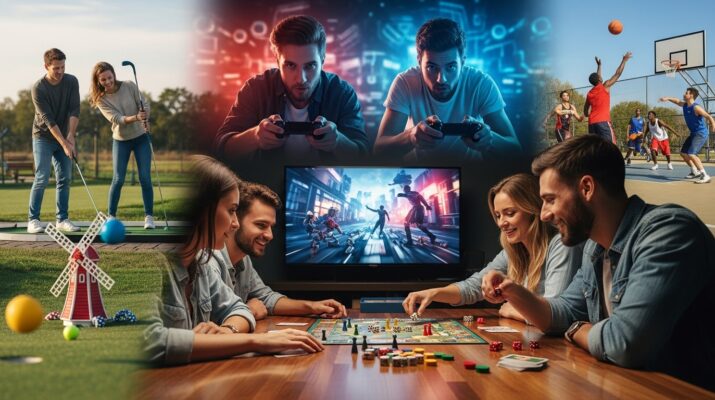
Games are one of humanity’s oldest and most universal forms of expression. From ancient board games carved into stone to today’s sprawling digital universes, games have always reflected our creativity, curiosity, and desire to connect. They are more than just entertainment; they are a mirror of society, a tool for learning, and a gateway to imagination. In the modern age, games have transcended boundaries of culture and technology, becoming an essential part of global culture. Whether played on consoles, computers, or mobile devices, games today influence how we think, communicate, and even solve real-world problems.
The Origins of Play
The concept of gaming is as ancient as civilization itself. Archaeological evidence suggests that games such as Senet in Egypt and Go in China were played thousands of years ago. These early forms of play were not just for amusement but also held cultural, religious, and strategic significance. Ancient games often symbolized the struggles of life, the balance between fate and choice, and the social hierarchy of their time.
As civilizations evolved, so did their games. The Greeks and Romans introduced athletic contests that tested strength and skill, while medieval Europe saw the rise of chess, a game that combined intellect with strategy. Each generation redefined what it meant to play, transforming games into symbols of human ingenuity.
The Psychological Power of Games
Games tap into some of the most fundamental aspects of human psychology. They offer challenge, reward, and feedback—three essential components that keep players engaged. The human brain thrives on solving problems and achieving goals, which is why games are so satisfying. Every victory, no matter how small, triggers a sense of accomplishment that fuels motivation and joy.
Moreover, games encourage creativity and critical thinking. Strategy games sharpen decision-making skills, puzzle games enhance problem-solving abilities, and role-playing games expand empathy by allowing players to step into different perspectives. Even fast-paced action games train the mind to react quickly and process information efficiently.
In education and therapy, games are increasingly being used as tools for cognitive development and emotional healing. They provide safe spaces for experimentation, allowing individuals to explore without fear of failure. This blend of entertainment and learning has made games one of the most powerful mediums of our time.
The Digital Revolution of Gaming
The arrival of digital technology changed the landscape of gaming forever. The 1970s introduced the first video games—simple yet groundbreaking titles like Pong and Space Invaders. These early experiments sparked a revolution that would eventually evolve into a multi-billion-dollar global industry.
Home consoles such as the Atari, Nintendo, and Sega brought gaming into living rooms around the world. Each new generation of hardware introduced better graphics, richer storytelling, and more immersive gameplay. The 1990s marked a turning point as 3D graphics allowed developers to create entire virtual worlds, giving birth to iconic franchises that still define gaming today.
As the internet expanded, online gaming emerged as a social phenomenon. Players could now connect, compete, and cooperate with others across the globe. This sense of community transformed games from solitary pastimes into shared experiences. Today’s gaming world is vast and interconnected, supported by millions of active players and creators who keep pushing the boundaries of innovation.
The Diversity of Gaming Genres
One of the greatest strengths of modern gaming lies in its diversity. There is a game for every mood, interest, and personality. Action games test reflexes and coordination, while adventure games invite players on journeys filled with mystery and discovery. Strategy games challenge intellect, simulation games replicate real-life systems, and role-playing games immerse players in complex narratives where every choice matters.
Casual games have also gained immense popularity, offering quick and relaxing experiences for people of all ages. These games are accessible, easy to learn, and often provide short bursts of joy—perfect for busy lifestyles. On the other hand, competitive gaming, or esports, has turned skilled players into global celebrities, with tournaments watched by millions around the world.
This diversity ensures that gaming remains inclusive and dynamic. It allows individuals from all backgrounds to find their place in the world of play, whether they are thrill-seekers, storytellers, strategists, or socializers.
The Art of Storytelling in Games
Modern games are not just about mechanics—they are about stories. The narrative power of games rivals that of movies and literature, offering players agency in shaping how the story unfolds. Unlike traditional media, games invite active participation; players become co-creators of the narrative through their decisions and actions.
Titles that focus on storytelling often explore deep themes such as morality, identity, loss, and redemption. They allow players to experience emotions that feel personal and impactful. The combination of music, visuals, dialogue, and interactivity creates a unique emotional resonance that no other medium can replicate.
As storytelling evolves, games are becoming a platform for artistic expression and cultural commentary. Developers use them to explore social issues, challenge perceptions, and inspire empathy. In this way, gaming continues to grow as an art form that speaks directly to the human experience.
The Role of Technology in Shaping the Future
Technology continues to drive gaming into uncharted territories. Virtual reality, augmented reality, and artificial intelligence are redefining how games are designed and experienced. VR places players directly inside digital worlds, creating immersive experiences that feel almost tangible. AR, on the other hand, blends the digital with the real, turning our surroundings into interactive playgrounds.
Artificial intelligence enhances both gameplay and realism. Smart AI opponents can adapt to player behavior, while machine learning systems analyze preferences to create personalized experiences. Cloud gaming has also emerged as a major breakthrough, allowing players to stream high-quality games without expensive hardware.
The future of gaming will likely merge these technologies into even more dynamic experiences. Imagine playing a game that adjusts its story in real time based on your emotions or one that turns your entire environment into a virtual arena. The possibilities are limitless, and each innovation brings us closer to seamless digital worlds that blur the line between reality and imagination.
The Social and Cultural Impact of Games
Gaming is no longer an isolated activity; it is a global cultural movement. Online platforms, multiplayer communities, and social media have turned gaming into a shared experience. Players form friendships, collaborate in virtual worlds, and participate in massive online events that rival traditional sports in scale and excitement.
Games have also become a tool for social change. They promote teamwork, communication, and empathy across cultures and languages. Some games raise awareness about environmental issues, mental health, or human rights, using play as a medium for education and activism. The diversity of player communities fosters inclusivity, creating spaces where people can express themselves freely and connect with others who share similar interests.
In addition, gaming has created new economic opportunities. Content creators, streamers, and developers contribute to a thriving ecosystem that supports millions of jobs worldwide. Esports tournaments attract audiences comparable to major sporting events, and virtual economies within games have become legitimate sources of income for many players.
The Importance of Balance and Responsibility
While gaming offers countless benefits, balance remains essential. Excessive play can lead to fatigue, isolation, or neglect of real-world responsibilities. That’s why developers and communities emphasize responsible gaming practices, encouraging players to manage their time and well-being.
Parents, educators, and policymakers also play a crucial role in guiding younger audiences. By promoting moderation, understanding game ratings, and fostering open discussions about online behavior, society can ensure that gaming remains a positive and enriching experience.
Responsible gaming is not about limiting fun; it’s about sustaining it. When enjoyed in balance, games enhance creativity, strengthen relationships, and promote lifelong learning.
The Endless Journey of Innovation
Gaming never stands still. Every year brings new genres, technologies, and creative experiments that reshape how we play. Independent developers are especially driving innovation, creating unique titles that explore fresh ideas beyond the mainstream. Their creativity ensures that gaming remains diverse and full of surprises.
As technology continues to advance, gaming will likely become more immersive, interactive, and inclusive. The rise of the metaverse—shared digital spaces where people can socialize, work, and play—represents the next major frontier. In these interconnected worlds, games will become more than entertainment; they will become integral parts of our digital lives.
Conclusion
Games are far more than pastimes. They are cultural touchstones, artistic expressions, and engines of innovation. From ancient boards carved in stone to vast virtual realms powered by artificial intelligence, games have always been a reflection of humanity’s creative spirit.
In every era, games have evolved alongside us, adapting to new technologies and shaping how we connect with each other. They teach, inspire, and entertain, uniting players across borders and generations. As we look to the future, one thing remains clear: the power of play will continue to define who we are and how we imagine the world around us.
The journey of gaming is an endless adventure—one that invites everyone to play, explore, and create.