
Introduction
Games have come a long way from simple pastimes with dice, cards, or board pieces. Today, they are intricate digital universes, creative storytelling tools, and social experiences that connect millions of players around the globe. Gaming is no longer just a hobby; it has become a cultural force that influences technology, art, and even psychology. This blog explores the multifaceted world of games, their evolution, their impact on players, and why they matter more than ever in modern society.
The Evolution of Gaming
Games have evolved alongside human civilization. Ancient games like chess, Go, and backgammon were not only forms of entertainment but also tests of strategy and intelligence. The digital revolution transformed games from physical boards to interactive screens. Early video games provided simple graphics and mechanics, yet they captured imagination and curiosity. Over time, gaming technology advanced to include lifelike graphics, complex narratives, and expansive worlds. Today’s games are often multi-dimensional experiences, combining art, sound, storytelling, and interactivity in ways that were unimaginable a few decades ago.
Video Games as Interactive Storytelling
Modern video games are a form of storytelling that goes beyond books and movies. They allow players to interact with the narrative, make choices that influence outcomes, and explore virtual worlds at their own pace. This interactivity creates a sense of immersion that traditional media cannot replicate. Games like role-playing adventures or simulation experiences provide players with the power to live alternate lives, develop characters, and solve complex problems. The narrative-driven game has become an art form, blending plot, emotion, and player agency into one cohesive experience.
The Social Dimension of Gaming
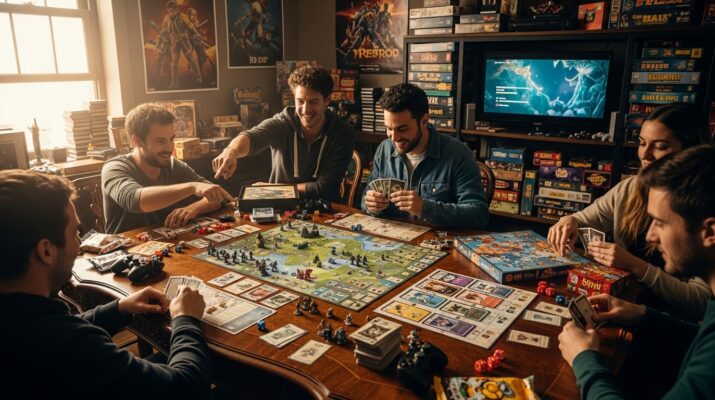
Gaming is no longer a solitary activity. Online multiplayer platforms have transformed games into social networks where players meet, collaborate, and compete with people worldwide. Multiplayer games foster teamwork, communication skills, and social interaction. Many players form friendships and communities around shared gaming experiences. Esports, the professional competitive gaming industry, has taken this social aspect to a new level, creating global audiences and professional opportunities for players. Games have become cultural touchstones that bring people together in ways that are both entertaining and socially meaningful.
Gamification and Real-Life Skills
One of the most interesting aspects of modern gaming is how it can develop real-life skills. Strategy games enhance critical thinking and planning. Puzzle games improve problem-solving abilities. Team-based multiplayer games strengthen communication and leadership skills. Even simulation games like city-building or business management teach resource allocation, financial planning, and decision-making. By merging entertainment with skill-building, games have proven to be more than just diversions; they are learning tools that challenge the mind and improve cognitive abilities.
Mobile Gaming and Accessibility
The rise of smartphones has made gaming accessible to almost everyone. Mobile games allow players to engage in entertainment on the go, bridging gaps between casual players and dedicated gamers. The convenience of mobile gaming has democratized access, enabling people who may never own a gaming console or high-end computer to participate in global gaming culture. This accessibility has also inspired innovative game designs, from short, addictive puzzle games to expansive mobile RPGs. Mobile gaming continues to expand the boundaries of what gaming can be and who can enjoy it.
The Psychological Impact of Gaming
Games impact the human mind in profound ways. They can boost mood, reduce stress, and provide a sense of accomplishment. Challenges in games give players goals to achieve, triggering feelings of satisfaction and motivation. Games also stimulate creativity and imagination by allowing players to experiment with strategies, storylines, and character choices. However, it is essential to balance gaming with other aspects of life, as excessive play can lead to negative effects. When approached mindfully, games are powerful tools for mental stimulation and emotional engagement.
Virtual Reality and Immersive Experiences
Virtual reality has introduced a new level of immersion to gaming. VR games transport players into entirely new worlds, where they can explore, interact, and experience scenarios as if they were physically present. This technology heightens the sense of presence, making gameplay incredibly engaging and realistic. Immersive experiences are not limited to entertainment; they are being applied in education, therapy, and professional training. VR represents the future of gaming, where the line between the digital world and reality becomes increasingly blurred, offering limitless possibilities for exploration and creativity.
The Artistry of Game Design
Modern games are masterpieces of artistic collaboration. They combine visual design, music, storytelling, programming, and user experience into one cohesive experience. Concept art sets the tone, soundtracks evoke emotions, and gameplay mechanics challenge the mind. The attention to detail in graphics, animations, and environmental design creates worlds that feel alive. Game designers are modern artists, engineers, and storytellers rolled into one, and their work has redefined the boundaries of entertainment as an art form.
The Cultural Influence of Games
Games have become cultural artifacts that shape trends, conversations, and social values. They influence fashion, music, language, and social behavior. Iconic characters and narratives from games become part of popular culture, inspiring movies, merchandise, and fan communities. Gaming culture also challenges stereotypes, encouraging inclusivity and diversity in both content and community. Games are not just entertainment; they are cultural forces that reflect and shape the world around us.
Esports and the Professionalization of Gaming
Esports has transformed competitive gaming into a global phenomenon. Professional players, coaches, and teams compete in tournaments watched by millions. Esports has created a new industry, complete with sponsorships, media coverage, and fan followings comparable to traditional sports. Competitive gaming requires intense skill, strategy, and teamwork, showcasing that gaming is not merely leisure but a serious professional endeavor. Esports continues to legitimize gaming as a respected form of competition and career path.
Challenges and Criticism
Despite its growth, gaming faces challenges and criticism. Concerns about addiction, screen time, and violent content persist. The industry also grapples with issues of representation, inclusivity, and equitable access. However, responsible game design, parental guidance, and awareness can mitigate these challenges. Criticism often drives improvement, encouraging developers to create healthier, more inclusive, and thoughtful experiences for players.
The Future of Gaming
The future of gaming promises even more innovation. Artificial intelligence, cloud gaming, and cross-platform play are reshaping how games are developed and consumed. Games will become more adaptive, responsive, and personalized, reacting to players’ emotions, decisions, and play styles. Storytelling, interactivity, and immersion will continue to evolve, blurring the boundaries between entertainment, education, and social connection. The potential for innovation in gaming is virtually limitless, and the next decade promises experiences we can barely imagine today.
Conclusion
Games have transcended the label of mere entertainment. They are cultural phenomena, social platforms, educational tools, and artistic expressions. From casual mobile games to competitive esports, from immersive VR experiences to intricate story-driven adventures, gaming shapes how we think, connect, and engage with the world. In a fast-paced society, games provide escapism, creativity, and social interaction, reminding us that play is a vital part of human experience. Gaming is no longer just a pastime; it is a defining force in modern life, shaping minds, communities, and cultures in ways that continue to expand every day.